
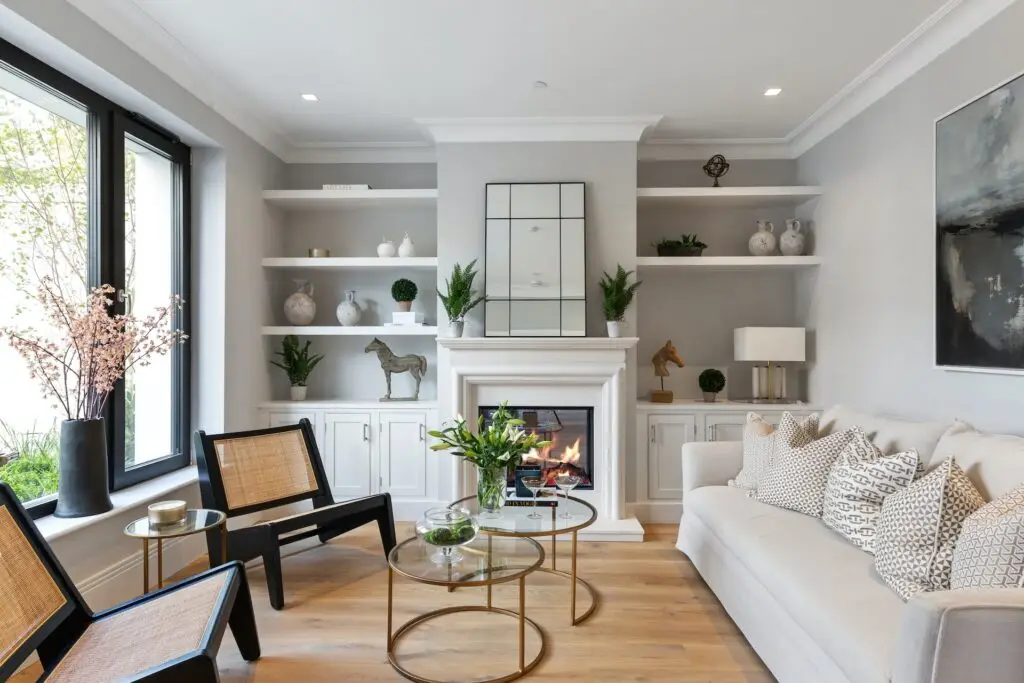
Creative Storage Solutions: Making the Most of Limited Space
Living in a small space doesn’t mean you have to sacrifice comfort or style. With the right storage solutions, even the tiniest apartment or home can feel spacious and organized. Whether you’re dealing with a studio apartment, a compact bedroom, or just a general lack of storage, there are plenty of creative ways to maximize your space. In this post, we’ll explore some clever ideas that will help you make the most of every square inch of your home. So, let’s dive in and discover how to turn your limited space into a cozy, functional, and clutter-free sanctuary.
Maximizing Vertical Space: The Sky’s the Limit
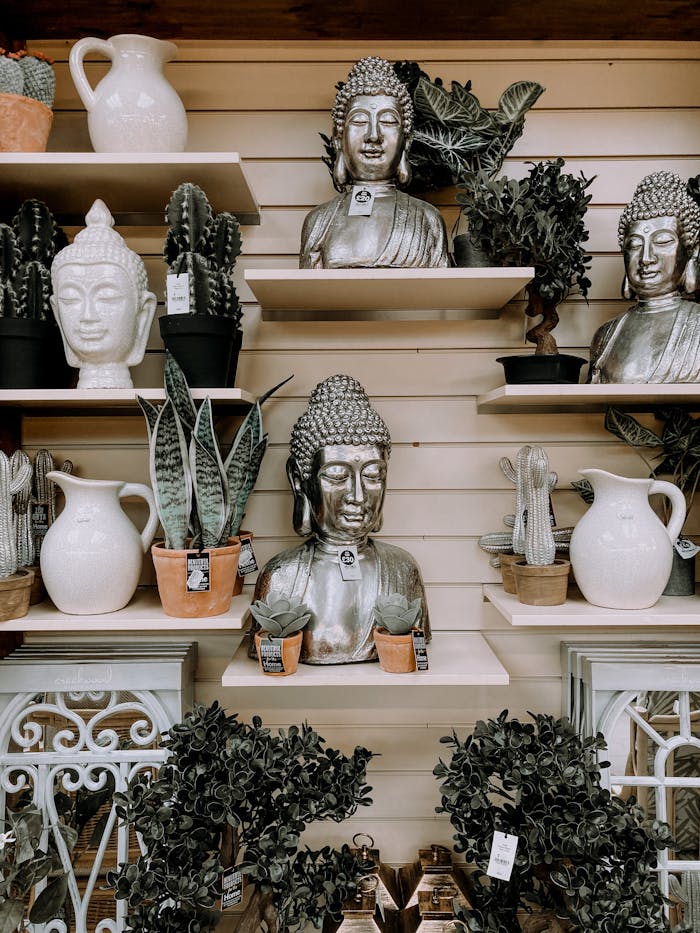
When floor space is limited, it’s time to start thinking vertically. The walls of your home are a blank canvas just waiting to be utilized for storage. Installing shelves is one of the easiest ways to take advantage of vertical space. Floating shelves not only provide extra storage but also add a decorative element to your room. You can use them to display books, plants, or personal items while keeping them off countertops and other surfaces.
Don’t stop at just one shelf! Stacking multiple shelves high up on the wall can create an entire storage system without taking up any floor space. This is particularly useful in rooms like the kitchen or bathroom, where counter space is often at a premium. In the kitchen, consider using vertical storage for pots, pans, and utensils. Hanging racks or magnetic strips can keep these items within easy reach while freeing up cabinet space.
Another great way to utilize vertical space is by installing hooks. Hooks are incredibly versatile and can be used in almost any room. In the entryway, hooks can hold coats, hats, and bags, keeping them off the floor and out of the way. In the bathroom, they can be used to hang towels or robes. Even in the bedroom, hooks can hold jewellery, scarves, or belts, making it easier to keep things organized and accessible.
Multi-Functional Furniture: Double Duty Done Right
When you’re working with limited space, every piece of furniture should do double duty. Multi-functional furniture is the key to maximizing your space without sacrificing style or comfort. Look for pieces that offer hidden storage or can be used for more than one purpose.
For example, a bed with built-in drawers is perfect for storing clothes, bedding, or other items that would otherwise clutter up your space. If you’re short on closet space, this type of bed can be a game-changer. Similarly, an ottoman with storage inside can serve as both a footrest and a place to stash blankets, magazines, or toys.
Consider a sofa bed if you’re living in a small apartment or studio. During the day, it provides comfortable seating, and at night, it transforms into a bed for you or your guests. This type of furniture is especially useful if you frequently host visitors but don’t have a separate guest room.
Folding or collapsible furniture is another great option for small spaces. A folding dining table can be tucked away when not in use, freeing up valuable floor space. Similarly, wall-mounted desks that fold up can create a functional workspace that disappears when you don’t need it. These types of furniture are not only practical but can also add a modern, minimalist vibe to your home.
Underutilized Spaces: Hidden Gems in Your Home
Sometimes, the best storage solutions are hiding right under your nose—or perhaps, under your bed. Underutilized spaces like the area beneath your bed, stairs, or even above cabinets can provide valuable storage without adding any bulk to your living space.
Under-bed storage is a classic solution for a reason. It’s an excellent spot for items you don’t need every day, like off-season clothing, extra bedding, or even shoes. You can use rolling storage bins, vacuum-sealed bags, or even drawers on wheels to keep things neatly organized and easily accessible.
If you have stairs in your home, consider the space underneath them as prime storage real estate. This often-overlooked area can be transformed into a mini-closet, a reading nook, or even a spot to store bulky items like luggage. With a little creativity, the space under your stairs can serve as a hidden gem for storage.
The space above cabinets is another area that often goes unused. In the kitchen, this area can be perfect for storing items you don’t use daily, like large serving dishes or small appliances. In other rooms, consider using decorative baskets or bins to store items out of sight while keeping them within reach.
Decluttering and Simplifying: Less is More
One of the most effective ways to make the most of your space is to simply have less stuff. Decluttering is essential in a small home, and it can be surprisingly liberating. Start by going through each room and assessing what you truly need and use. Items that are broken, outdated, or rarely used can be donated, sold, or recycled.
Simplifying your belongings doesn’t mean you have to live a minimalist lifestyle unless you want to. It’s about being intentional with what you keep and how you store it. When everything has a designated place, it’s easier to keep your home organized and clutter-free. Plus, you’ll likely find that having fewer items makes your space feel larger and more open.
Once you’ve decluttered, maintain your space by regularly reassessing your belongings. Every few months, take a moment to purge any new clutter that has accumulated. By keeping your possessions in check, you’ll ensure that your small space remains a comfortable and inviting home.
Decorating Tips on a Budget: Personalizing Without Overspending
Decorating your home should be a fun and creative process, but the costs can quickly add up if you’re not careful. The good news is that you don’t need to break the bank to create a space that feels uniquely yours. With a little bit of creativity and some smart shopping, you can personalize your home on a budget and still achieve a stylish, comfortable living space. In this blog post, we’ll explore some easy, budget-friendly decorating tips that will help you make your house feel like a home without overspending.
DIY Decor: Crafting Your Own Style
One of the most rewarding ways to personalize your space on a budget is through DIY decor. Not only does this save you money, but it also allows you to create one-of-a-kind pieces that reflect your personality. Plus, DIY projects can be a fun way to spend a weekend or get creative with friends or family.
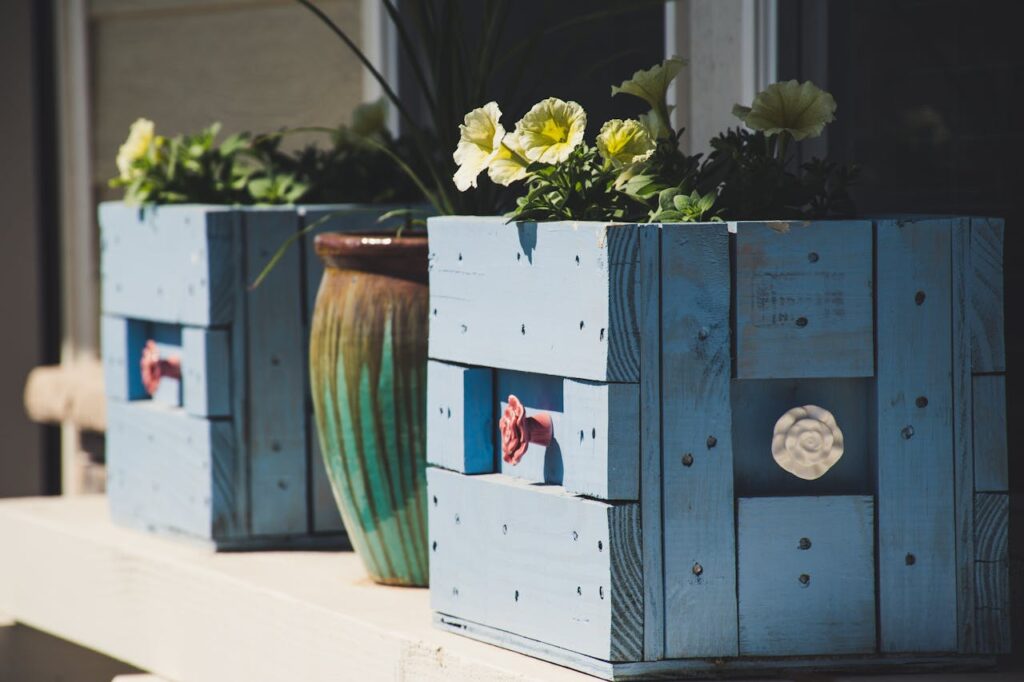
Start with simple projects like painting old furniture or creating your own wall art. A fresh coat of paint can completely transform an old dresser or coffee table, giving it new life and saving you the cost of buying something new. Choose colors that complement your existing decor or go bold with something completely different to make a statement.
Wall art is another area where you can get creative. Instead of spending money on expensive prints or paintings, try making your own. You don’t need to be a professional artist to create something beautiful. Consider framing fabric swatches, creating a gallery wall with personal photos, or even trying your hand at abstract painting. There are plenty of online tutorials to guide you through the process, no matter your skill level.
Repurposing items you already have is another great way to save money. For example, old mason jars can be turned into vases, storage containers, or even light fixtures with a little bit of creativity. The possibilities are endless, and the best part is that you’re giving new life to items that might have otherwise been thrown away.
Thrift Shopping: Finding Hidden Gems
Thrift stores, flea markets, and garage sales are treasure troves for budget-friendly decorating. You can find unique pieces that add character to your home without spending a fortune. The key to successful thrift shopping is to keep an open mind and be willing to see the potential in items that might need a little love.
Look for furniture that has good bones but might need a bit of TLC. A sturdy chair with outdated upholstery can be reupholstered for a fraction of the cost of buying new. Similarly, a wooden table with scratches or worn paint can be sanded down and refinished to look as good as new. These pieces often have more character and charm than anything you’d find in a big-box store.
Don’t forget about accessories! Thrift stores are great places to find interesting lamps, mirrors, and picture frames. These items can be easily updated with a coat of spray paint or new hardware to fit your style. Even small items like vintage vases, decorative bowls, or quirky knick-knacks can add personality to your home without breaking the bank.
When thrift shopping, it’s also important to think outside the box. That old ladder could become a rustic bookshelf, or a set of vintage suitcases could be stacked to create a unique side table. The more creative you are, the more you’ll get out of your thrifting adventures.
Budget-Friendly Upgrades: Small Changes, Big Impact
You don’t need to overhaul your entire home to make it feel fresh and new. Sometimes, small changes can have a big impact on the overall look and feel of your space. Focus on areas that can be updated easily and affordably for the biggest bang for your buck.
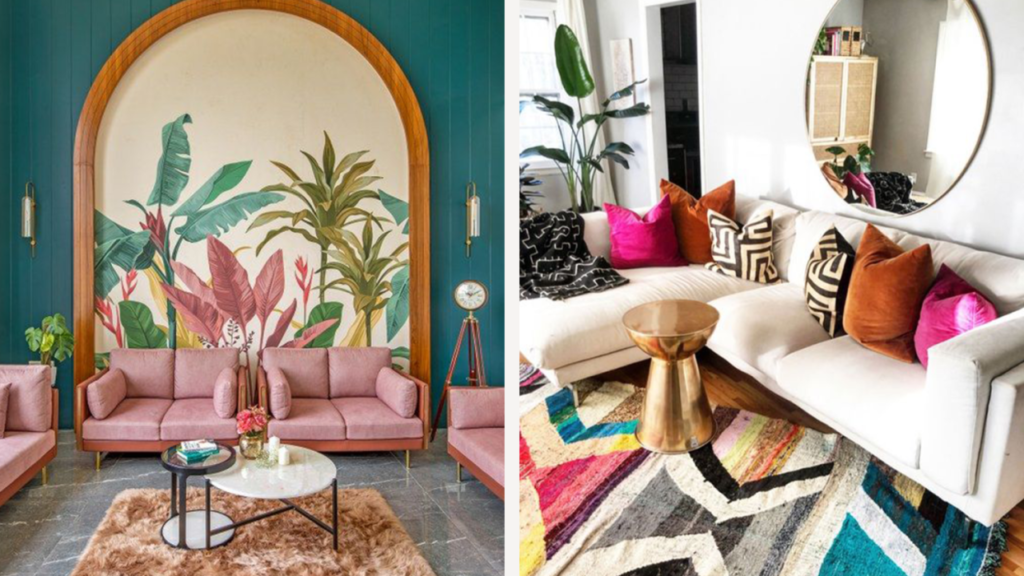
Start with your walls. A fresh coat of paint is one of the most cost-effective ways to transform a room. If painting an entire room is too much work or expense, consider creating an accent wall. This can add a pop of color or pattern without requiring a lot of paint or time. Peel-and-stick wallpaper is another budget-friendly option for adding interest to a room without the commitment of traditional wallpaper.
Updating your lighting can also make a huge difference. Swap out outdated light fixtures for something more modern or unique. You can find affordable options at home improvement stores or even thrift shops. Additionally, consider adding a few strategically placed lamps to brighten up dark corners and create a cozy atmosphere.
Don’t underestimate the power of textiles to transform a space. New throw pillows, curtains, or a rug can completely change the look of a room. Look for sales or discount stores where you can find stylish options at a fraction of the cost. If you’re handy with a sewing machine, you can even make your own curtains or pillow covers from fabric remnants.
Finally, consider updating your hardware. Replacing old cabinet knobs, drawer pulls, and door handles is an easy and inexpensive way to give your kitchen or bathroom a fresh look. You can find a wide variety of options online or at hardware stores, and the installation is usually a simple DIY project.
Mixing High and Low: The Art of Balance
One of the best ways to make your home look stylish on a budget is to mix high-end pieces with more affordable finds. This approach allows you to splurge on a few key items that you love while saving money elsewhere.
Invest in pieces that will have the most impact and get the most use, like a comfortable sofa or a well-made bed. These items are worth spending a little extra on because they’re the foundation of your home and will last for years. Once you have these basics in place, you can fill in the rest of your space with budget-friendly accessories and decor.
Mixing high and low isn’t just about balancing your budget; it’s also about creating a space that feels layered and interesting. Pair a thrifted coffee table with a designer lamp, or hang a piece of art you splurged on above a budget-friendly sofa. The contrast between high and low creates a curated, personalized look that feels more expensive than it really is.
Remember, decorating on a budget doesn’t mean you have to sacrifice style. With a bit of creativity, resourcefulness, and a willingness to DIY, you can create a beautiful home that reflects your personality without overspending. So go ahead, have fun with it, and enjoy the process of making your space truly your own.
Space-Saving Furniture: Multifunctional Pieces for Small Homes
Living in a small home comes with its own set of challenges, but it also opens up a world of creativity. When every square inch counts, space-saving furniture becomes your best friend. The key to maximising your space is to choose furniture that does more than one thing. Multifunctional pieces can help you keep your home organised, stylish, and comfortable, even if you’re working with limited space.If you’re looking to custom-build multifunctional furniture that perfectly fits your small home, our expert carpenters at ExpatSnap can help. In this blog post, we’ll explore how you can use multifunctional furniture to make the most of your small home, creating a space that feels larger than it actually is.
Click here for a selection of versatile furniture pieces with multiple functions.
Double Duty: Furniture That Works Overtime
One of the easiest ways to maximize a small space is to choose furniture that serves multiple purposes. A sofa bed is a perfect example. During the day, it’s a comfortable spot for lounging, watching TV, or entertaining guests. But when night falls, it transforms into a cozy bed, perfect for you or any overnight guests. This is especially handy in studio apartments or homes without a dedicated guest room.
Ottomans with storage are another great multifunctional piece. They provide a place to rest your feet, offer extra seating when you have company, and open up to reveal hidden storage space for blankets, magazines, or anything else you want to keep out of sight. It’s a simple way to keep your living room tidy without sacrificing style or comfort.
For those who work from home, a desk that doubles as a dining table can be a lifesaver. During the day, it’s a workspace where you can be productive. In the evening, it transforms into a dining area where you can enjoy a meal with friends or family. This kind of multifunctional furniture is perfect for small homes where every piece needs to pull double duty.
Fold It Away: Furniture That Disappears
When space is limited, foldable furniture can be a game-changer. Pieces that can be folded away when not in use free up valuable floor space and keep your home feeling open and uncluttered. Wall-mounted desks are a prime example of this. They provide a convenient workspace that can be folded up when you’re done, leaving you with more room to move around.
Folding chairs and tables are also incredibly versatile. You can easily store them in a closet or under the bed when not needed, and bring them out when you have guests over. This is a great solution for small dining areas or kitchens where space is at a premium. Plus, many folding furniture pieces are designed to be lightweight and portable, so you can move them around as needed.
Another innovative option is the Murphy bed, which folds up into the wall during the day. This type of bed is ideal for studio apartments or small bedrooms, where space is at a premium. When it’s folded up, you gain a lot of extra floor space that can be used for other activities. It’s like having two rooms in one!
Modular Magic: Furniture That Adapts to Your Needs
Modular furniture is the ultimate space-saving solution for small homes. These pieces can be rearranged, expanded, or reduced depending on your needs, making them incredibly versatile. A modular sofa, for instance, allows you to change the layout of your living room whenever you want. You can create a larger seating area when you have guests, or split it into smaller sections for a cozy movie night.
Modular shelving units are another great example. These can be customized to fit your space perfectly, whether you need a tall bookshelf, a low TV stand, or something in between. The best part about modular furniture is that it can grow with you. If you move to a larger home or your needs change, you can add more pieces to your existing setup without having to buy all new furniture.
Some modular systems even include hidden storage, allowing you to maximize every inch of space. For example, a modular bed might come with drawers underneath or even a built-in bookshelf at the headboard. This kind of furniture is perfect for small bedrooms where you need to maximize both storage and sleeping space.
Multipurpose Magic: Furniture That’s More Than Meets the Eye
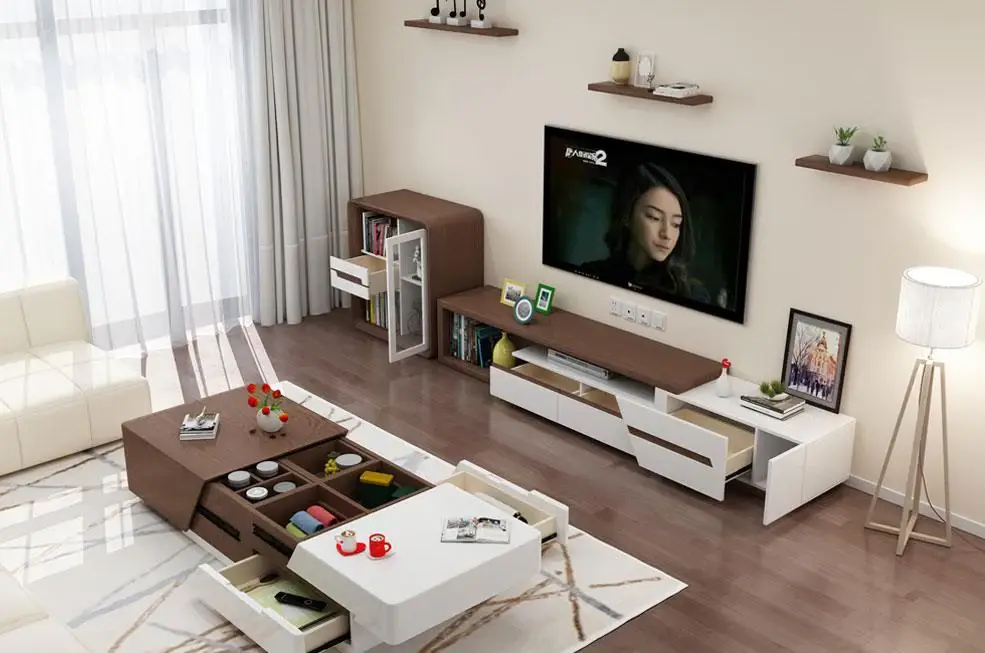
When choosing furniture for a small home, look for pieces that offer more than one function. A coffee table that doubles as a storage chest, a bench with hidden compartments, or a bookcase that also serves as a room divider can all help you make the most of your space. These types of furniture not only save space but also add a layer of functionality to your home.
For example, a coffee table with a lift-top can be used as a workspace or a dining area, making it perfect for small living rooms. When you’re not using it, simply lower the top and it goes back to being a regular coffee table. Similarly, a bench with storage inside can be used in an entryway, bedroom, or even the living room to store shoes, blankets, or other items while providing extra seating.
Multipurpose furniture is also great for kids’ rooms, where space is often limited. A bed with drawers underneath can eliminate the need for a separate dresser, freeing up more room for play. Or consider a loft bed with a desk or play area underneath, which combines sleeping, studying, and playing into one compact space.
Organizing Essentials: Tools and Tricks for Clutter-Free Living
Keeping your home clutter-free can sometimes feel like an uphill battle, especially with the fast-paced lives we lead. But with the right tools and a few clever tricks, you can create a space that’s not only organized but also serene and inviting. Whether you’re dealing with a small apartment, a busy family home, or just want to streamline your space, there are plenty of ways to keep clutter at bay. In this blog post, we’ll explore some of the best organizing essentials and strategies that can help you maintain a tidy, clutter-free home with ease.
Start with Decluttering: Less is More
Before diving into the world of organizing tools, it’s essential to start with a good decluttering session. The fewer items you have, the easier it is to keep your space organized. Go through each room and assess what you truly need, use, and love. Items that are broken, outdated, or no longer serve a purpose can be donated, recycled, or tossed. Decluttering might seem overwhelming at first, but it’s incredibly freeing and sets the stage for effective organization.
A great way to make decluttering more manageable is to tackle one area at a time. Start with a small space, like a closet or a drawer, and work your way through the house. Use the “keep, donate, toss” method to sort items quickly and efficiently. Once you’ve cleared out the excess, you’ll be amazed at how much easier it is to organize the things you truly need.
If you’re finding it hard to let go of certain items, try the “one in, one out” rule. For every new item you bring into your home, something else must go. This helps prevent clutter from building up again and keeps your home feeling spacious and organized.
Organizing Tools: Your Secret Weapons
Now that you’ve decluttered, it’s time to bring in the organizing tools that will help you keep your space tidy. These tools don’t have to be expensive or complicated; in fact, some of the best organizing solutions are simple and straightforward.
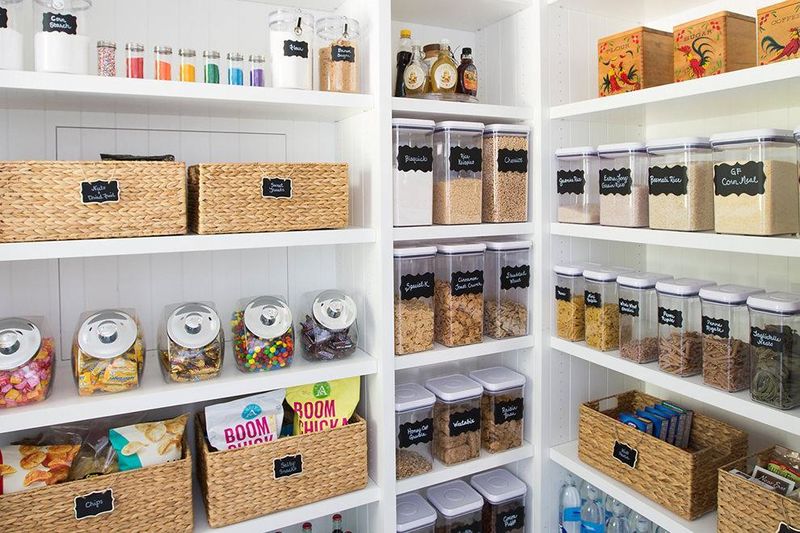
Baskets and Bins: Baskets and bins are versatile organizing tools that can be used in almost any room. Use them to corral smaller items like toys, remote controls, or toiletries. In the kitchen, they’re perfect for keeping snacks, spices, or cleaning supplies neatly contained. Choose baskets that complement your decor so they can double as stylish accessories.
Drawer Organizers: Drawers are notorious for becoming cluttered catch-alls, but drawer organizers can change that. These handy dividers come in all shapes and sizes, making it easy to find a place for everything from utensils in the kitchen to socks in the bedroom. By keeping items separated and visible, drawer organizers help you maintain order and make finding things a breeze.
Shelving: When floor space is limited, shelving can be a lifesaver. Floating shelves are great for displaying decorative items while keeping them off countertops and other surfaces. Bookshelves can be used for much more than just books—they’re perfect for storing everything from baskets of toys to office supplies. And don’t forget about over-the-door shelves, which make use of vertical space in closets or pantries.
Labels: Labels are a simple yet effective way to keep your home organized. By labeling bins, baskets, and containers, you ensure that everything has a designated place. This not only makes it easier to find what you need but also encourages everyone in the household to put things back where they belong. You can use a label maker for a polished look, or get creative with chalkboard labels or handwritten tags.
Clever Tricks: Small Changes, Big Impact
Sometimes, the smallest changes can make the biggest difference in keeping your home clutter-free. Incorporating a few clever tricks into your daily routine can help you stay organized without feeling overwhelmed.
The One-Minute Rule: If a task takes less than a minute to complete, do it right away. This simple rule can help you tackle small tasks before they pile up into bigger messes. Hanging up your coat, putting away the mail, or wiping down the counter are all quick tasks that can make a big difference in maintaining an organized home.
Use Clear Containers: Clear containers are a game-changer for organizing because they allow you to see what’s inside without having to open them. This is especially useful in the pantry, where keeping track of food items can be challenging. Clear containers help you stay on top of what you have and what you need, preventing overbuying and reducing clutter.
Create Drop Zones: A drop zone is a designated spot for items you use daily, like keys, wallets, or bags. By creating a specific area for these things—like a tray on the entryway table or a hook by the door—you prevent them from being scattered around the house. This not only keeps your home tidy but also saves you time searching for these essentials when you’re in a rush.
Regular Maintenance: Staying organized is an ongoing process, not a one-time event. Set aside a little time each week to tidy up and put things back in their place. Regular maintenance prevents clutter from creeping back into your home and keeps everything running smoothly. A quick sweep of each room, a once-over of your drawers and shelves, and a bit of time spent reorganizing can make all the difference.
Personalizing Your Space: Making It Work for You
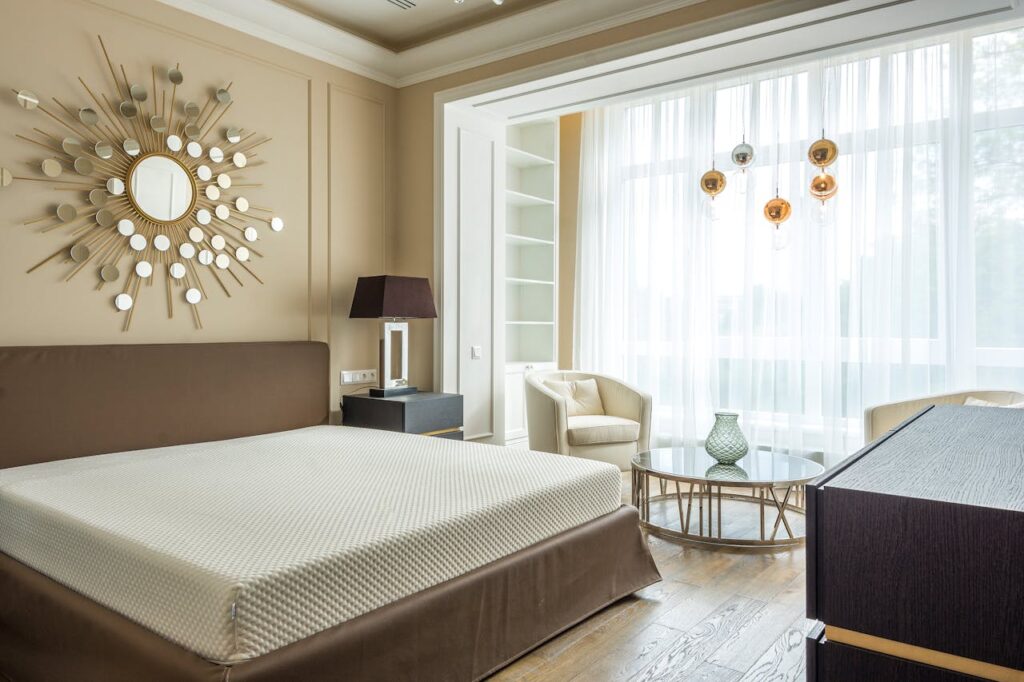
The most important part of organizing your home is making sure it works for you and your lifestyle. What works for one person might not work for another, so don’t be afraid to experiment and find the solutions that best suit your needs. Whether it’s adjusting your storage methods, rearranging furniture, or tweaking your daily routine, personalizing your space ensures that it’s functional, comfortable, and uniquely yours.
When organizing, consider your habits and the flow of your daily life. If you tend to drop your bag by the door, create a hook or shelf there to accommodate it. If you always find yourself hunting for pens, keep a designated container on your desk. Tailoring your organizing methods to fit your habits makes it easier to maintain order in your home.
And remember, organizing should be fun! Don’t be afraid to get creative with your storage solutions, mix and match styles, and add personal touches to make your home feel cozy and inviting. After all, the goal is to create a space where you feel comfortable and happy, free from the stress of clutter.